
The Crown of Europe represents a remarkable challenge for mountaineers and adventure enthusiasts: climbing the highest peak of every European country. This ambitious quest not only tests physical strength and mental endurance, but also allows participants to immerse themselves in the rich tapestry of European landscape, culture, and hsitory.
If you're ready to lace up your boots and take on this magnificent journey, here's why the Crown of Europe is worth every step.
What is the Crown of Europe Challenge?
The Crown of Europe is an unofficial mountaineering challenge that entails summiting the highest elevation of each country in Europe. Whether it's the towering heights of Mount Elbrus in Russia, the pristine beauty of Mont Blanc between France and Italy, or the breathtaking views from the hilltops of Luxembourg and Malta, this adventure captures the essence of diverse terrains across the continent.
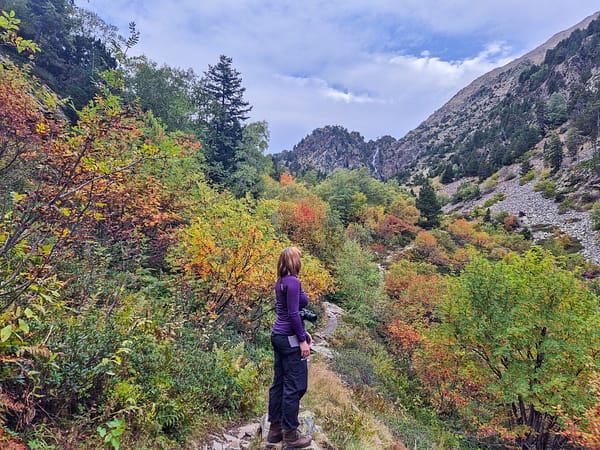
On the trail towards Coma Pedrosa, Andorra.
The total number of countries in Europe is surprisingly not a simple answer. Depending on the classification used, it can be anywhere from 44 to 51. While variations exist even for the Crown of Europe challenge, typically 50 countries are officially recognised, with 48 total peaks to conquer. This is due to two peaks being shared between two different countries i.e. Mont Blanc for France and Italy & Mount Korab for Albania and North Macedonia.
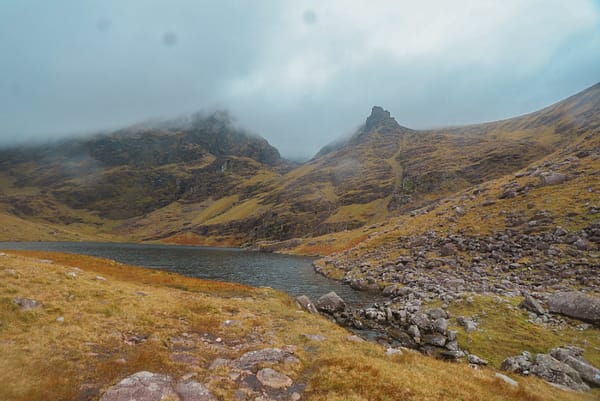
Descending Carrauntoohil via the Heavenly Gates, Ireland.
The Crown of Europe challenge usually ignores European territory that geographically belongs to other continents, as well as autonomous territories with their own independent government, such as Denmark's Faroe Islands. There can also be a debate on whether the UK should count as one country, making Ben Nevis the highest, or split into England, Scotland, Wales & Northern Ireland. As I live in England, I've chosen to recognise these as individual European countries, turning one peak into four. Scroll down and you'll find my peak list for the Crown of Europe challenge, with inspiration and guidance taken first and foremost from To Live To Travel, as well as The Crown of Cureope & The Best Viewpoints.
Why Should You Consider the Crown of Europe?
Embarking on such an epic mountain challenge may seem daunting at first, but the rewards far outweigh the struggles. From building resilience to fostering self-discovery, the experience offers profound lessons and unforgettable memories. The Crown of Europe challenge tests your limits, both physically and mentally. The journey to the top of some of these towering peaks is often fraught with difficulties, such as unpredictable weather, hazardous terrain, and physical exhaustion. Facing these obstacles teaches you to push through adversity and continue moving forward despite hardships.

Balkan Chamois on Mount Olympus, Greece.
The Crown of Europe challenge offers a unique opportunity to immerse yourself in the raw beauty of the natural world. Ascending through diverse ecosystems and witnessing breathtaking landscapes on every country in Europe helps cultivate a profound appreciation for the environment and reinforces the importance of preserving these natural wonders for future generations. The sense of accomplishment and pride that accompanies every single high point can boost confidence and inspire further pursuits. Completing the Crown of Europe serves as a powerful reminder that with dedication and hard work, you are capable of overcoming even the highest obstacles.
What Does the Crown of Europe Entail?
Embarking on the Crown of Europe challenge requires meticulous planning, physical conditioning, and a strong sense of adventure. Setting clear goals is paramount. This arduous task can be daunting, but breaking it down into manageable milestones can transform it into a purposeful adventure. Each peak conquered isn't simply just another box ticked, it's a story and a memory of an incredible exploration of this beautiful continent.

On the trail of Mount Olympus, Greece.
The importance of logistics and planning cannot be overstated. Thorough research into each peak's unique characteristics, such as optimal climbing seasons, preferred routes, and typical weather conditions is essential. Crafting a feasible itinerary that considers both geographical proximity and the varying difficulty levels of the mountains helps in efficiently navigating this diverse continent. A successful climb requires investing in quality gear tailored to Europe's varied climates. Essentials include sturdy hiking boots, weather-resistant clothing, and reliable navigation tools. Opting to pack lightly while focusing on key items is crucial.

Scafell Pike, Lake District, UK.
Climbers must acquaint themselves with any regulations and permit requirements of the countries and mountains they plan to traverse. Some peaks are situated within protected areas or national parks, and respecting local laws concerning camping and waste disposal underscores an ethical commitment to preserving these environments. Health and safety must remain at the forefront of any mountain challenge. Purchasing comprehensive travel insurance that covers adventure-related activities and high elevations is important. Equipping oneself with basic first aid skills and carrying a well-stocked kit is essential. Stay informed about current weather conditions and local advisories before venturing out into any potentially hazardous situations.
The Crown of Europe List:
1. Russia: Mount Elbrus (5,642m)
Situated in the Caucasus Mountains, Mount Elbrus is Europe's highest peak and part of the seven summits challenge. This dormant volcano is often seen as a rite of passage for many mountaineers. Climbers typically take the Normal Route, renowned for its cable car access to higher altitudes, or the more challenging Kiukurtliu Route, which is less crowded and offers a wilder experience. It attracts climbers from all over the world who come not just for the climb, but for the breathtaking panoramic views of the Caucasus Range.
2. France/Italy: Mont Blanc (4,809m)
Mont Blanc is Western Europe's highest peak and a beacon of beauty in the Alps. Shared between France and Italy, ticking off two countries in one go, this snowy giant has inspired artists and adventurers alike. The Gouter Route is the most travelled path, but the Trois Monts Route is a favourite for those seeking more technical challenges. Each ascent offers jaw-dropping vistas of the surrounding Alps, making every step worth the effort.
3. Switzerland: Monte Rosa (4,634m)
The Monte Rosa massif is Switzerland's highest, known for its extensive glacial fields and diverse ecosystems. Monte Rosa features several peaks, with Dufourspitze being the highest. Ascents often require rigorous preparation and technical skills, as the routes involve significant glacier travel. The experience rewards climbers with spectacular landscapes and close encounters with the region's unique flora and fauna.
4. Austria: Großglockner (3,798m)
The towering Großglockner is Austria's highest mountain. With its unique pyramid shape piercing the sky, it is a stunning focal point of the Hohe Tauern National Park. The most common route is the Großglockner Normal Route, suitable for both beginners and advanced climbers. There's also the Meletzkigrat on the north side and the Stüdlgrat on the south side. Summer is the best time for ascents, where climbers face a mix of rock and ice.
5. Spain: Mulhacén (3,479m)
While Teide (3,715m) in Tenerife is the highest mountain in all of Spain, Tenerife is situated geographically within the continent of Africa, and so Mulhacén is classed as Spain's highest peak for the Crown of Europe challenge. Located in the Sierra Nevada range, the ascent from Capileira or Trevélez offers stunning views over the dramatic Spanish landscape. Unlike the icy conditions of the Alps, Mulhacén's southern location provides warmer, drier conditions, but it remains challenging, especially in winter.

Spain: Mulhacén (3,479m) 2025
In October 2025, I had the absolute pleasure of hiking up Mulhacén as part of a month-long road trip across Spain, with minor detours through Andorra & Portugal. While there's limited campsites and parking in the area, I managed to find a free spot to park overnight for a couple days in the village of Capileira, at the foot of the road towards Mulhacén. Here, you can visit the information point, run by Paco, where you can book a bus to the foot of the mountain. This is the only vehicle that is allowed to pass through the national park's barrier, making it possible to climb Mulhacén in a single day. This beautiful region is at its peak in the morning of spring and autumn, where the snow blankets the mountain and makes for a truly scenic hike.
6. Germany: Zugspitze (2,962m)
Located in the Bavarian Alps, along the German-Austria border, Zugspitze is Germany's highest peak. The mountain offers various routes for adventurers, ranging from the leisurely Eibsee cable car ride to challenging hikes like the Reintal Route. During winter, it transforms into a snow sports paradise. The summit provides stunning panoramas over four countries and is famed for its spectacular sunrises.
7. Andorra: Coma Pedrosa (2,943m)
Nestled in the Pyrenees, Coma Pedrosa stands as the highest mountain in Andorra. Accessible via a well-marked trail from Arinsal, the ascent offers hikers the chance to explore diverse ecosystems, from lush meadows to rocky ridges, crowned with stunning views of the surrounding valleys. The peak is an introduction to Andorra's rich natural heritage, offering an escape into tranquillity and a chance to experience the region's unique blend of cultures and languages.

Andorra: Coma Pedrosa (2,943m) 2025
Now this is one of the most beautiful single day hikes I've been on, even if I did encounter some sketchy scrambling in the snow near the summit. As part of my 2025 autumn road trip to Spain, I spent a couple nights in the mountainous country of Andorra, with the sole intention of reaching its highest point. Starting before the sun had begun to rise, and with only a minor irrational panic of encountering bears in the woods, this adventure took me a total of 6.5 hours and brought some truly gorgeous autumnal scenery. If you want to spend more time in the Andorran landscape or simply want to break up your walk, there's a refuge around the half-way point where you can stay overnight in June-September.
8. Bulgaria: Musala (2,925m)
Musala, located in the Rila Mountains, is not only Bulgaria's highest mountain, but the highest in all of the Balkans. Trails typically start from Borovets ski resort, with the ascent popular year-round. The hike showcases glacial lakes and alpine vistas, rewarding climbers with views that stretch as far as the Black Sea on clear days.
9. Greece: Mount Olympus (2,917m)
Find the Explore by Nature guide to climbing Mount Olympus here!
Revered in mythology as the home of the Greek gods, Mount Olympus is Greece's tallest mountain. Most ascents begin from the town of Litochoro, with trails weaving through dense forests and alpine scenery. Varied routes and refuges allow hikers to choose paths that best suite their skills. Mount Olympus is a UNESCO Biosphere Reserve, with rich biodiversity and mythological significance. Each step offers a travel back in time to a world where gods once tread.

Greece: Mount Olympus (2,917m) 2025
Mount Olympus, what an epic adventure with the guides of Trekking Hellas and the fantastic group of hikers who booked alongside me through Much Better Adventures. I had the pleasure of climbing this mountain in July 2025, in a two-day hike from Prionia to Giosos Apostolidis Refuge to the summit, Mytikas, and back down to Gortsia. Between spotting Balkan chamois, sunset walks with the team, and scrambling to the highest point of Mount Olympus, it cannot be understated how magnificent of an adventure this climb was!
10. Slovenia: Triglav (2,864m)
Triglav is not only Slovenia's highest peak, but also the national symbol represented on its coat of arms and flag. There are a number of trails to the summit, with The Valley of the Seven Triglav Lakes Trail being the most accessible, and The Kredarica Hut Route being the most popular. The mountain resides in Triglav National Park, Slovenia's only national park, known for its pristine nature, rich folklore, and welcoming alpine huts.
11. Albania/North Macedonia: Mount Korab (2,764m)
Mount Korab, shared by Albania and North Macedonia, is the tallest peak in both countries. Its rugged and intimidating facade invites hikers who seek the path less travelled. The summit can be approached from both countries, with paths leading through rolling meadows and rocky terrains. Each step toward its peak offers views across the Balkans and the two nations that share its slopes.
12. Kosovo: Great Rudoka (2,658m)
Nestled in the Sharr Mountains, Great Rudoka stands as Kosovo's highest point. Great Rudoka's trails are dotted with alpine flowers and glimpses of wildlife, offering tranquillity away from the crowds. Đeravica, standing at 2,656m, was once the tallest mountain in Kosovo, however, the border between Kosovo and North Macedonia was adjusted, leading to Great Rudoka taking its place.
13. Slovakia: Gerlachovský štít (2,655m)
Gerlachovský štít, often shrouded in mystery and mist, towers above the High Tatras, earning the title of Slovakia's highest peak. Climbing Gerlachovský štít is a privilege that requires a certified guide due to its challenging paths. The ascent reveals the untamed beauty of the Tatras, a paradise for mountaineers and a sanctuary for diverse wildlife.
14. Liechtenstein: Vorder Grauspitz (2,599m)
Vorder Grauspitz, the highest point in Lichenstein, is a remote and daring climb, often overshadowed by the Alps' more famed peaks. Primarily accessed from Switzerland, the ascent to Vorder Grauspitz demands advanced hiking skills, with craggy ridges, loose stones, and steep ascents that test even seasoned climbers. Its summit unveils a panoramic view of the Rhine Valley and the surrounding peaks, rewarding those who dare to scale its heights.
15. Romania: Moldoveanu Peak (2,544m)
Moldoveanu Peak is the highest point in Romania, standing proudly in the Făgăraș Mountains. Most commonly, the trail to the summit begins at the Cabana Valea Sâmbetei mountain hut, on the northern side of the Făgăraș Mountains. The journey unveils vast glacial landscapes, with each turn offering views that capture the soul of the Carpathians.
16. Montenegro: Zla Kolata (2,534m)
Nestled within the Prokletije Mountains, also known as the "Accursed Mountains", Zla Kolata is a haven for those seeking remote beauty devoid of bustling crowds. Reaching Zla Kolata involves trekking through rugged landscapes, with trails that meander across the Montenegrin-Albanian borders. Some Montenegrins consider Bobotov Kuk (2,523m) the highest mountain in Montenegro due to it being the highest mountain fully enclosed within the country's borders. However, there are three taller mountains, including Zla Kolata, that sit on the border with Albania. Despite not being the true highest point, Bobotov Kuk remains a significant landmark in Montenegro.
17. Poland: Rysy (2,499m)
The north-western summit of Rysy, the tallest point in Poland, straddles the border between Poland and Slovakia. It is accessible by a well-marked route, making it a popular cultural and trekking destination for hikers and mountaineers. Starting from the Polish side, the trail takes you past Morskie Oko, a stunning glacial lake, before traversing rocky paths toward the summit. Here, one can enjoy awe-inspiring views over the Tatra Mountains, a true jewel of Central Europe.
18. Norway: Galdhøpiggen (2,469m)
Galdhøpiggen, known for its stark beauty and polar climate, is not only Norway's highest peak, but the highest in all of Northern Europe. It attracts adventurers far and wide seeking to conquer its snowy trails. The most popular route begins at Juvasshytta, a mountain lodge that serves as a perfect starting point. At the summit, the view showcases Norway's stunning scenery, making the climb a truly rewarding experience.
19. Bosnia & Herzegovina: Maglić (2,386m)
Maglić is the highest mountain in Bosnia & Herzegovina, located in the Sutjeska National Park, an area rich with biodiversity and dramatic landscapes. The approach to Maglić offers various routes, with the most popular originating from Lokva Dernečišta, 1500m above sea level. This challenging route is classified as a "Via ferrata", requiring excellent mountain climbing experience and technique. Alternatively, climbers can begin their hike from Tjentiste and the beautiful Trnovačko Lake. Known for its heart-shaped outline, the lake provides a serene starting point to the rugged ascent that awaits. The summit rewards climbers with expansive views across the Dinaric Alps and the nearby Perucica rainforest.
20. Serbia: Midžor (2,169m)
Midžor, part of the Balkan mountain range, is the highest peak in Serbia. Its gentle slopes and rolling meadows make it a favourite for hikers of all levels. Two of the most common routes are from Babin Zub and the village of Topli Do. The trails are well-marked and are popular hiking routes, with stunning views over the charming Balkan landscape. At the summit, you'll witness the undulating terrain stretching into Bulgaria's borders.
21. Iceland: Hvannadalshnúkur (2,110m)
Hvannadalshnúkur is Iceland's highest point, located on the edge of the Vatnajökull National Park. This towering peak is part of the Öræfajökull volcano, renowned for its dramatic ice formations. The journey to Hvannadalshnúkur is not for the faint-hearted. Climbers must prepare for a challenging 10-15 hour trek that traverses glaciers, unpredictable weather, and a massive 2,000m change in elevation. Despite its difficulty, reaching the summit rewards adventurers with breathtaking views of the surrounding icecap, the perfect reward.
22. Sweden: Kebnekaise (2,104m)
In Sweden's Lapland, Kebnekaise stands tall in the Scandinavian Mountains. The two most popular routes to the summit both begin at Kebnekaise Fjällstation, with most hikers opting for the Western Route. Now, what makes Sweden's highest point an interesting topic of conversation is Kebnekaise has two peaks, a southern and a northern one, and which one stands as the tallest is totally dependent on the weather. Historically, the southern peak has been the highest, however, global warming resulted in the melting of this glacier, leading to the northern peak becoming the highest for the first time in history in 2018. A serious downpour of snow shortly followed and the southern peak reclaimed its title once more. It's certainly worth speaking to Kebnekaise Fjällstation to determine which is highest at the time of your climb. Or, you know, do both!
23. Ukraine: Hoverla (2,061m)
Hoverla, the highest mountain in Ukraine, is situated in the Carpathian range. Accessible via trails from the town of Vorokhta, Zaroslyak mountain sports base, and Lazeschyna village, Hoverla offers manageable climbs amidst Carpathian landscapes, appealing to both beginners and seasoned hikers. The summit presents panoramic views of the Carpathian Biosphere Reserve, making every hiker's effort incredibly rewarding. Now, as I write this in January 2026, the Ukraine/Russian war is still ongoing, with travel to most of Ukraine strongly advised against. However, the tourist region of the Carpathian Mountains has been deemed safe enough to travel to and Hoverla is among the list of mountains tourists are still permitted to climb, making this endeavour possible despite current conflict. Always check local government travel advisories before you book.
24. Portugal: Torre (1,993m)
Torre, located in the Serra da Estrela range, is the highest point of mainland Portugal. Unlike other peaks, Torre is accessible by road and even boasts a roundabout at the summit. While Torre's ascent may be driven, there are hiking trails away from the road you can take to immerse oneself in nature and the surrounding landscape. It's important to note that, technically, the highest point in Portugal is Mount Pico (2,351m) in the Azores Islands. However, while these islands politically belong to Portugal, they are an autonomous territory, similar to Denmark's Faroe Islands, and thus Mount Pico is not regarded as Portugal's true highest point.

Portugal: Torre (1,993m) 2025
Towards the end of my 2025 Spain road trip, I dipped briefly into Portugal to conquer its highest peak, Torre. The first half of the hike followed the main road (N339) amongst the mountains that eventually leads directly to the summit's roundabout. However, once you reach Nossa Senhora da Boa Estrela, a beautiful religious stone carving, you can veer off the road to the left and follow the trail to Torre. While the summit is not particularly special, with old radars marking the spot, the surrounding landscape is stunning and there is a great circular walk one can take to return to the N339. This takes you through a rocky region towards Covão de Meio and back towards the main road.
25. Cyprus: Mount Olympus (1,952m)
Not to be mistaken with Greece's highest peak, Cyprus' Mount Olympus stands at 1,952m in the Troodos range. Known locally as Chionistra, it offers a taste of authentic Cypriot countryside. The climb up Mount Olympus can be enjoyed year-round, following well-marked trails. Hikers relish views of the shimmering sea and the island's charming villages below. The most popular route is the Atalanti Trail, a circular, well-marked 14km hike. Unfortunately, Mount Olympus boasts a very tourist-unfriendly summit. At its highest point, there is a military zone where no photos are allowed, preventing hikers from reaching the true height of this mountain. To get a photo as close to the summit as possible, around 1,935m, it's best to approach from the skiing slope Zeus, rather than via the main road. This not only provides a better view but allows you to take a summit photo without experiencing the wrath of the military.
26. Croatia: Dinara (1,831m)
Dinara is the highest peak in Croatia, situated in the Dinaric Alps. This mountain offers climbers stunning views over the Croatian landscape and beyond. Its rugged limestone terrain is teeming with diverse flora, creating an ever-changing canvas of colours throughout the year. The ascent to Dinara is laced with historical significance, as trails traverse ancient paths once walked by shepherds and rulers. For the most accessible and popular route, begin near the village Glavaš and follow the Glavaš Route. This trail will take around 6-8 hours to complete and thus can be done in a day.
27. Czech Republic: Sněžka (1,603m)
Sněžka, the highest mountain in the Czech Republic, offers a unique blend of natural and cultural excursions. Located in the Krkonoše range, it straddles the border with Poland. Popular for skiing in the winter months, Sněžka transforms into a blooming paradise in the summer, with well-marked trails for hikers and cyclists. Popular routes from the Czech side include the blue trail from Pec pod Sněžkou and the longer red trail from Špindlerův Mlýn. Hikers can also approach the mountain from the Polish side. Whether you're there for the winter snow or the summer blooms, Sněžka promises stunning vistas any time of year.
28. Scotland: Ben Nevis (1,345m)
Ben Nevis is not only Scotland's highest mountain, but the highest in all of the UK. Located in the picturesque Scottish highlands, Ben Nevis is a favourite among climbs and outdoor enthusiasts. The Mountain Track is the most popular route to the summit and follows a relatively straightforward path to the top, making it accessible for novice climbers. Meanwhile, seasoned adventurers revel in the additional challenges posed by the North Face.

Scotland: Ben Nevis (1,345m) 2022
I climbed Ben Nevis all the way back in 2022 as part of my UK 3 peaks in 3 days challenge. At this point in my life, I'd only hiked Mount Kilimanjaro in 2016 and the Yorkshire 3 peaks a month or so earlier in 2022. This was really the beginning of my rediscovery of my love for climbing mountains and exploring the great outdoors. I hired a guide, John, through AirBnB experiences as I didn't yet have the confidence to hike a mountain solo. By pure chance, I wound up being the only person booked on, turning this into a much more personal experience. The Mountain Track is quite a straightforward route, and I'd recommend not spending the money on a guide if you've got some experience with outdoor hiking.
29. Finland: Halti (1,324m)
Halti, or Haltiatunturi, is Finland's highest point, sitting on the border with Norway. Although the peak itself resides in Norway at 1,365m, the highest accessible point in Finland reaches 1,324m. This mountain is part of a remote and serene wilderness that attracts visitors looking for tranquillity. The landscapes here, from the midnight sun in summer to the mesmerising Northern Lights in winter, offer an escape from the hustle and bustle of daily life. For the shortest trek, the route begins from the Norwegian side at Lake Guolasjärvi. This is around a 15km hike but the terrain is challenging and the route is not marked. The most popular route, however, starts from Kilpisjärvi and is a 3-day endeavour, with the route around 50km one-way. Along the way, there are unlocked cabins free to use and the trail to Halti is well-marked, making this a popular adventure.
30. Wales: Snowdon (1,085m)
Snowdon, or Yr Wyddfa in Welsh, is the tallest mountain in Wales. Situated in Snowdonia National Park, this mountain is famed for its breathtaking views, often referred to as the best in the British Isles. The mountain caters to all levels of adventurers with several well-marked paths ranging in difficulty. The most popular and straightforward is the Llanberis Path, beginning in the village of Llanberis. Other routes include the Pyg Track, Miner's Track, and the challenging Crib Goch ridge. Once you've conquered Snowdon, you may as well take the minor detour from Snowdon's summit to Crib y Ddysgl (1,065m), the second highest peak of Snowdon, ticking off 2 out of 15 of the Welsh 3000s.

Wales: Snowdon/Yr Wyddfa (1,085m) 2022
Despite always claiming a desire to not reclimb mountains, I have somehow ended up hiking to Snowdon's summit 3 times now. The first was during my UK 3 peaks in 3 days challenge, where my friend and I followed the Llanberis Path there and back. I've since climbed the mountain during my Welsh road trip in 2024 and as part of the Welsh 3000s challenge in 2025. The Snowdonia National Park is absolutely beautiful and the views from Snowdon do not disappoint. My personal recommendation for first-timers would be to ascend via the Pyg Track and descend via the Llanberis Path.
31. Ireland: Carrauntoohil (1,041m)
Find the Explore by Nature guide to climbing Carrauntoohil here!
Nestled within County Kerry, Carrauntoohil stands proudly as Ireland's highest peak. Located in the MacGillycuddy's Reeks, its jagged silhouette is a beacon for climbers seeking both adventure and serenity. Climbers often begin their ascent from either Lisleibane Trail Head Car Park or Cronin's Yard. The Devil's ladder is the most popular route, offering a challenging climb with rewarding views over the lakes of Killarney. Don't forget to explore the surrounding national park, rich with biodiversity and heritage.

Ireland: Carrauntoohil (1,041m) 2024
I climbed Carrauntoohil during my 3-week Irish road trip in 2024. Due to the unpredictable weather in the region and my lack of human interaction throughout the road trip thus far, I chose to hire a guide, Caesar, from Airbnb experiences. This wound up being a great decision. The group consisted of a couple from Germany, who were an absolute delight to hike with, and Caesar was a fantastic guide. He even put together a little video of our climb together. We took the Devil's Ladder route to the summit and descended via Heavenly Gates.
32. Turkey: Mahya Daği (1,031m)
So, you may be thinking that Turkey's tallest mountain is Mount Ararat, standing at 5,137m tall, and you would be right. The Crown of Europe challenge only incorporates the land within the European continent and since Mount Ararat belongs to the Asian part of Turkey, it doesn't qualify for the challenge. Mahya Daği, also known as Mount Mahya, is situated in the serene Strandja Massif and is considered the highest mountain in the European part of Turkey. Climbers typically begin their ascent at Mahya Dağı Yolu car park, with the total hike taking around 6-8 hours. Technically, you can also drive to the top, but where would the fun in that be? At the summit, you'll find a Turkish army base where photography is prohibited. Should you want to take a summit picture, proceed with caution and be a little sneaky.
33. Hungary: Kėkes (1,014m)
Kėkes, located in the Mátra Mountain Range, is Hungary's highest peak. It's a beloved destination for winter sports and summer hikes. During the warmer months, the panoramic views from the top, enhanced by a lookout tower, provide incredible vistas of Hungary's countryside. Nearby, you can explore traditional villages where Hungarian culture thrives. The Kėkes Summit Trail typically begins in Mátrafüred, where hikers can follow well-marked paths that steadily lead you to the rest stop, Mátraháza, and, finally, the summit, where you can enjoy amenities such as an observation tower, restrooms, and refreshments.
34. England: Scafell Pike (978m)
The tallest mountain in England, Scafell Pike, can be found in the popular Lake District National Park. It's a cherished climb among British hikers and offers breathtaking views over the surrounding fells and lakes. If you're interested in completing the Wainwrights challenge, Scafell Pike is a must! The most popular ascents start from Wasdale Head or Seathwaite, threading their way through rugged landscapes with breathtaking views.

England: Scafell Pike (978m) 2022
Back in 2022, I climbed Scafell Pike with a group of around 6-8 people through a guided hike with Large Outdoors, as part of my UK 3 peaks in 3 days challenge. While I would attempt this mountain solo now, I was very relieved to have had a guide when I realised the route wasn't perfectly straightforward, at least the route we took. We followed a circular path from Seathwaite and were immediately immersed in the stunning views of the Lake District. While, I was a little tired from the Ben Nevis hike the prior day, I had the most fantastic hike in beautiful sunny conditions, and even reached the summit alongside Paul Ellis!
35. Northern Ireland: Slieve Donard (850m)
Part of the Mourne Mountains, Slieve Donard in the highest mountain in Northern Ireland, with a majestic profile that overlooks the Irish Sea. Visitors often ascend from the seaside town of Newcastle, around an hour's drive from Belfast. Parking is available at both the Donard car park and the Bloody Bridge car park. On clear days, the summit affords views extending all the way to Scotland. Slieve Donard is steeped in legend, believed to be the burial ground of Slángha, linking folklore with natural beauty.
36. San Marino: Monte Titano (749m)
Monte Titano is the iconic peak of San Marino. Its three towering fortresses (Guaita, Cesta & Montale) stand as proud sentinels over one of the world's oldest republics. Winding paths lead visitors through medieval villages with narrow cobbled streets, offering breathtaking panoramic views of the surrounding Emilia-Romagna and Adriatic coastline. The starting point is a car park next to Rosticceria La Nuova Rupe, where you begin the hike by following the street and nearby stairs.
37. Belgium: Signal De Botrange (694m)
Find the Explore by Nature guide to Signal de Botrange here!
At 694m, Signal de Botrange holds the title of the highest point in Belgium. Situated in the Hautes Fagnes region, it's more a rolling highland than a towering summit, with a unique landscape of peat bogs and fens. The area is a paradise for wildlife enthusiasts and hikers. Don't miss the stone tower at the top, which allows tourists to reach an artificial height of over 700m. You'll find a car park and restaurant at the top, which you can easily reach by car. There's plenty of walking trails near the summit for visitors wanting to both arrive by car and explore the area. For a longer day out, one can enjoy a circular 8.5km walk that encompasses both Baraque Michel and Signal de Botrange or incorporate Bayehon waterfall for a different experience.

Belgium: Signal de Botrange (694m) 2025
I stood atop Signal de Botrange on a European holiday with my mam, where we visited Luxembourg for a few days, spent a day on the road to visit the highest points of Belgium & the Netherlands, and ended the stay with a couple days in Paris. We drove to the car park at the summit and enjoyed a 30-minute walk around the surrounding area, before getting a "summit" photo at the top of the stone steps that bring the total elevation to 700m. It was a fantastic trip and I'm really glad I was able to share these mini peaks with my mam.
38. Luxembourg: Kneiff (560m)
Find the Explore by Nature guide to Kneiff here!
Kneiff is Luxembourg's subtle peak, the highest point of the country. Nestled in the lush Ardennes, this peak might not compete in height with others on the list, but its tranquil beauty is arresting. While the summit is understated, the surrounding area offers rich forests and idyllic countryside that are perfect for leisurely explorations. Hiking here is not about conquering altitudes, but soaking in the scenery that Luxembourg offers. Short walks from the village of Huldange are a common way to experience this peak, with plenty of parking available.

Luxembourg: Kneiff (560m) 2025
I conquered Kneiff on a 2025 European holiday where I hit the highest points of Luxembourg, Belgium & the Netherlands. For Kneiff, I drove to the village of Huldange solo and enjoyed a circular walk from the local K Restaurant to Kneiff and back. It's a very countryside location, surrounded by agricultural fields and cows. I was lucky enough to experience this walk in beautifully sunny conditions and had a wonderful time on this mini adventure.
39. Moldova: Bălănești (430m)
Located in the rolling Moldavian Plateau, Bălănești is the highest point in Moldova and embodies the heart of Moldova's agricultural landscape. Travellers exploring Bălănești will find gentle hills and patchwork fields stretching to the horizon. It's a region where time slows down, and the simplicity of rural life can be appreciated in full measure. A popular route begins in the village of Guranda, taking a moderate 1-2 hours to reach the top and back.
40. Belarus: Dzyarzhynskaya Hara (345m)
Dzyarzhynskaya Hara, also known as Dzerzhinsk Hill, is the highest point in Belarus and is situated near the village of Skirmuntava, around 30 miles from Minsk. Named after Felix Dzerzhinsky, the hill is surrounded by historical narratives waiting to be discovered. If travelling by car, there is parking available in Murawczanka City, at the beginning of the trailhead. The route to Dzyarzhynskaya Hara brings hikers through forests and meadows, with a set of stone steps at the summit.
41. Netherlands: Vaalserberg (321m)
Find the Explore by Nature guide to Vaalserberg here!
Vaalserberg, located near the city of Vaals, is the highest point in the Netherlands. This peak is a unique geographic tri-border point, where the Netherlands, Belgium & Germany meet. While the climb itself doesn't pose much of a challenge, and you can drive to the car park at the top, Vaaslerberg's true allure lies in its cultural convergence. A must-visit at the top of Vaalserberg is the Drielandenpunt, the point where the three borders intersect, marked by a small monument. Interestingly, Saba, a Caribbean island, politically belongs to the Netherlands, with its highest point, Mount Scenery, residing at 870m above sea level. As Saba is not geographically within Europe, the Netherland's highest point is officially Vaalserberg for the Crown of Europe challenge.

Netherlands: Vaalserberg (321m) 2025
My mam and I visited Vaalserberg as part of my 2025 European holiday where I reached the highest points of Luxembourg, Belgium & the Netherlands. We decided to drive to the car park near the top and explore from there. With the tri-border point so close, we chose to walk through the forests of Germany before returning to the monument that marked the top of Vaalserberg. There are a couple cafés at the summit, where we rewarded ourselves with tea and cake.
42. Estonia: Suur Munamägi (318m)
Suur Munamägi, translating to "Big Egg Mountain", stands as Estonia's highest point. Situated in the Haanja Upland, this peak offers a serene escape amidst Estonia's lush woodlands. The peak is crowned with a viewing tower offering panoramic views of the surrounding forests and lakes. It's a favourite spot for locals and tourists alike to witness the stunning beauty of Estonia's natural landscapes, especially during sunrise or sunset. From the tower's car park, there is an 800m walking path, with some stairs, to the top of Suur Munamägi.
43. Latvia: Gaiziņkalns (311.5m)
Nestled in the Vidzeme Upland, Gaiziņkalns claims the title of Latvia's highest hill. In summer, visitors can enjoy hiking trails, while winter transforms it into a hub for sledding and skiing. Gaiziņkalns is also a prime spot for stargazing, with its clear skies offering breathtaking views of celestial wonders. There is a 2km circular marked trail, the Gaiziņkalns trail, that leads you to the top of the hill and back.
44. Lithuania: Aukštojas Hill (294m)
Aukštojas Hill is Lithuania's highest peak, located less than an hour from Vilnius and near the village of Medininkai. Visitors to Aukštojas Hill often regard it as a peaceful retreat where history and nature intertwine. The surrounding area is adorned with trails that weave through forests and fields, perfect for leisurely strolls. At the summit, a wooden observation tower invites hikers to take in sweeping views, and a large fortress and church can be found nearby. Uber is an easy and relatively cheap way to get close to Aukštojas Hill from the city of Vilnius, where you can either park in Medininkai and walk around 2km to the tower, or you can park a 10-minute walk away from Aukštojas Hill.
45. Malta: Ta' Dmejrek (253m)
Nestled in the picturesque Dingli Cliffs, Ta' Dmejrek is the highest point in Malta and offers beautiful views of the Mediterranean Sea and the Maltese archipelago's rugged landscape. As the sun sets, the sky transforms in to a canvas of colours, providing a spectacular backdrop for photographers and nature enthusiasts. The area is also a treasure trove for history buffs, with nearby ancient cart ruts and megalithic temples, offering a glimpse into Malta's rich past. Unfortunately, the highest point isn't marked and two different locations try to claim the title, one near the chapel da Santa Marija Maddalena and the other approximately 1.6km away, near a mine. Both can be found on the Dingli cliffs and it's recommended to incorporate both into your walk. For those driving there, there's a large car park at the beginning of the Dingli Cliffs trailhead.
46. Denmark: Møllehøj (171m)
Møllehøj is Denmark's tallest point, located in the scenic Lake District of Jutland. A serene location dotted with lush greenery, it invites hikers and cyclists to explore its gentle slopes. Møllehøj's surroundings are perfect for a peaceful day excursion. Visitors can wander along walking trails that meander through fields and small forests, allowing for a leisurely exploration of Denmark's countryside charm. Nearby, the historical Jelling Stones provide insight into Denmark's Viking heritage, making it a culturally rich excursion. Surprisingly, there are numerous peaks that the Danes have regarded as the highest points over the years, including Himmelbjerget, Ejer Bavnehøj & Yding Skovhøj, the latter of which is technically higher at 172.5m, but this extra height is due to a Bronze Age burial mound, and thus doesn't count.
47. Monaco: Chemin des Révoires (163m)
Monaco's highest geographical point, Chemin des Révoires, is not the most impressive viewpoint and also isn't marked. It lies on the border with France and is surrounded by high residential buildings and rooftop greenery. On the way towards Chemin des Révoires, the path is dotted with lush gardens and quaint spots, making it an ideal place for those seeking an alternative to the usual glamorous cityscape.
48. Vatican City: Vatican Hill (75m)
The highest point in Vatican City, the world's smallest independent state, is often overshadowed by the grandeur of the nearby St. Peter's Basilica and its dome. It is also the only Crown of Europe high point that is historically not named. Nowadays, it is referred to as Vatican Hill. Found within the Vatican Gardens, Vatican Hill is not the easiest point to reach. In fact, one must book a guided tour that is widely popular and requires booking months in advance. Many regard St. Peter's Dome as the highest point in Vatican City, and so a visit there is also recommended given its incredible view of Rome. An early start is best to avoid excessive crowds in this highly popular destination.
To Summarise
The Crown of Europe challenge is more than a collection of summits, it's an epic journey of discovery that entices outdoor enthusiasts, culture aficionados, and those seeking personal growth. Each peak offers unique insights and vistas, rewarding every step with lessons and views beyond compare.

Team photo at the summit of Mount Olympus, Greece.
Whether driven by the incredible landscapes, cultural encounters, or personal victories, taking on the Crown of Europe challenge will enrich your life with unforgettable adventures. Prepare for an exhilarating journey across Europe's highest points, each summit a gateway to new horizons and unparalleled experiences.
Like this Post? Pin it!


0 comments