
Mount Olympus, the legendary home of the twelve Olympian gods, stands majestically at 2,917 metres (9,570 feet), making it Greece's highest peak. Located in the Olympus Range on the borders of Thessaly and Macedonia, climbing Mount Olympus is an exhilarating adventure for nature lovers and mythology enthusiasts alike.
Read on for a comprehensive guide to climbing this iconic mountain, from its rich history to practical tips for the climb!
About Mount Olympus
Mount Olympus isn't merely a mountain, it's a symbol of Greek mythology. Believed to be the dwelling place of the Twelve Olympian gods, including Zeus, Hera, Poseidon, and Athena, the mountain has been surrounded by stories of myths and legends for centuries. Perched high above the clouds, the mystical mountain was considered an almost inaccessible paradise where these deities ruled and lived in harmony. The summit, particularly Mytikas peak, was thought to be where Zeus set his throne, making it a sacred space revered by the ancient Greeks.
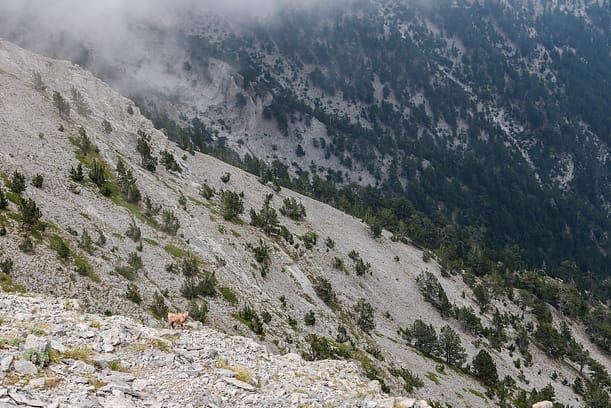
Balkan chamois on the cliffs of Mount Olympus.
Zeus, the king of the gods, was said to wield his powerful thunderbolts from Olympus. This myth was symbolic of his supremacy and control over both the divine and mortal realms. Stories of Zeus' rule and his interactions with other gods and goddesses often originated from the reverent cliffs of Mount Olympus. Mount Olympus is not only associated with the god, but also heroes of Greek mythology. Figures like Hercules and Achilles were believed to have traversed its rugged slopes in various legends. Hercules is said to have climbed the mountain during his quests. interacting with the gods and seeking their favour.
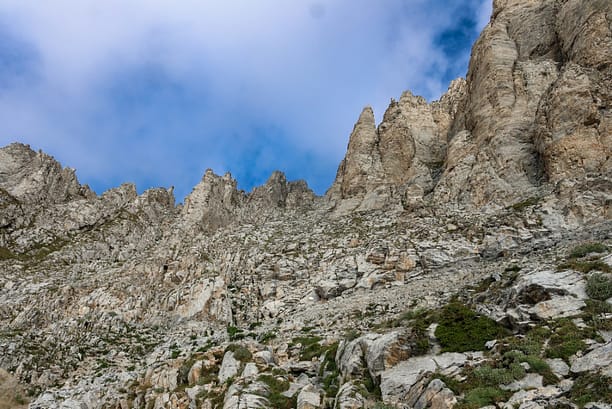
Peaks of Mount Olympus.
Beyond the myths, Mount Olympus has served as a natural fortification and has been referenced in various historical texts as a symbol of power and majesty. Today, Mount Olympus is celebrated not just for its mythological past but also for its historical and cultural significance. It's a UNESCO Biosphere Reserve, offering both protection and recognition. Visitors often embark on their own journeys to connect with the rich tapestry of stories and history embedded in its slopes.
Why You Should Climb Mount Olympus
Mount Olympus is more than just Greece's highest peak, it's a destination that promises an unforgettable adventure. As you ascend its slopes, you'll be walking in the footsteps of Zeus, Hera, and Apollo, feeling history and myth intertwining beneath your hiking boots. From dense forests and rocky terraces to open alpine meadows, the mountain is a paradise for nature lovers. The diverse terrain not only challenges your hiking skills, but also boasts incredible views, such as the sweeping vistas from the peaks overlooking the Aegean Sea.

Balkan chamois at sunset, Mount Olympus.
As part of the Olympus National Park, a UNESCO Biosphere Reserve, the mountain is a haven for biodiversity. You'll encounter unique flora and fauna, and have the chance to spot the adorable Balkan chamois. Every step brings you closer to nature's wonders. Furthermore, climbing Mount Olympus is a test of endurance and mental strength. The physical demands of the hike, especially the scramble to Mytikas, the highest peak, offer an exhilarating challenge. Reaching the summit offers a profound sense of accomplishment.

Mount Olympus summit, Greece.
Beyond the physical and mythical allure, the climb offers a unique opportunity for reflection and inner peace. The serene environment, far from the hustle and bustle of daily life, allows you to disconnect and find tranquillity. This journey provides time to reflect and recharge, often leading to personal insights and newfound perspectives. Climbing Mount Olympus is not just an adventure, it's a transformative experience that combines myth, nature, and personal growth. Are you ready to rise to the challenge and meet the place where the heavens touch the earth?
How to Organise Climbing Mount Olympus
The best time to climb Mount Olympus is during the warm months between June and October. During these months, weather conditions are typically more favourable, and the trails are accessible and safe. November through May can be unpredictable, with snow and harsh weather conditions that might not be ideal for beginners.
Consider Hiring a Guide
While the trails are well marked, hiring a local guide can enhance your experience of climbing Mount Olympus, especially if you're unfamiliar with mountain trekking. Guides provide valuable insights into the mountain's history and mythology, and ensure your safety on the more riskier parts of the climb, such as the scramble to Mytikas.
I booked my mountain climb with Much Better Adventures, who work with a local tour company, Trekking Hellas. This was my second trip booked through MBA and, once again, they were fantastic. If you don't want to deal with the headache of organising everything, I recommend booking through MBA. They take care of accommodation, food, and the trek. Our guides, Thanasis and Alexis, were friendly, encouraging, and highly knowledgeable. They're local to the area and hike these trails multiple times a week during peak season, so you can rest assured knowing they've got everything covered.
Pick a Peak
Mount Olympus features several impressive peaks, each offering unique challenges and breathtaking views.
- Mytikas - standing at 2,917m, Mytikas is the highest peak of Mount Olympus and the tallest in all of Greece. It is considered a challenging ascent, requiring climbers to tackle scrambling sections and steep inclines, especially near the summit. A helmet is a necessity as there can be many loose rocks on the route which other climbers can knock on their way up/down. Many climbers opt to use ropes to secure themselves. There are several bolts secured all the way up to Mytikas, often installed by mountain guides.
- Skolio - this is the second highest peak at 2,911m. The route is less technically demanding and more accessible than Mytikas, making it a popular choice for those looking for a slightly easier climb.

Mytikas peak (2,917m), Mount Olympus.
- Stefani - known as the Throne of Zeus, Stefani rises to 2,909m. This peak is noted for its distinctive circular shape and imposing cliffs, adding a dramatic flair to the mountain's silhouette.
- Skala - standing at 2,882m, Skala is often a stopping point for climbers on their way to the higher peaks. It serves as an accessible reach for those acclimatising or preparing for the more challenging ascents to Mytikas or Skolio.
- Profitis Ilias - at 2,803m, this peak is notable for the small chapel dedicated to the Prophet Elias. The chapel is a site for traditional pilgrimages and religious ceremonies, adding a cultural dimension to the climbing experience.
Choose a Route
Mount Olympus offers a range of routes catering to varying skill levels and desires for scenic splendour. Whether you're a seasoned climber or relatively new to hiking, exploring the mountain via one of these popular routes promises an unforgettable journey. The three most popular routes for climbing Mount Olympus are the Litochoro trail, the Prionia route, and the Gortsia route.
Beginning in the charming town of Litochoro, the Litochoro trail is part of the European long-distance path E4. Most climbers will rest at Refuge Spilios Agapitos overnight before continuing on to the summit. The Prionia route follows much of the Litochoro trail, however, it begins at the Prionia car park at 1,100m above sea level. This is the main starting point for most hikers, with many staying overnight in one of the refuges close to the summit. The Gortsia route begins at the Gortsia trailhead at an elevation of 1,100m. This classic route takes you past Petrostrouga Refuge and onwards to the summit. It's a challenging climb with many hikers choosing to stay in either Giosos Apostolidis Refuge or Christos Kakkalos Refuge overnight before tackling Mytikas peak the following day.
Accommodation & Mountain Refuges
There is a network of mountain refuges on Mount Olympus that provide shelter and rest for weary climbers. These refuges are strategically located along various altitudes on different routes up/down the mountain.
- Spilios Agapitos Refuge (2,060m) - often referred to as "Refuge A", this is one of the most famous and frequently used refuges on Mount Olympus.
- Giosos Apostolidis Refuge (2,697m) - located just below the summit, Giosos Apostolidis is the highest refuge on Mount Olympus.
- Christos Kakkalos Refuge (2,650m) - this refuge provides stunning panoramic vistas from its perch on the Plateau of the Muses. It's slightly lower than Giosos Apostolidis, but offers equally stunning views.
- Petrostrouga Refuge (1,920m) - located amidst lush pine forests, Petrostrouga Refuge is a charming retreat offering tranquillity with nature. This refuge is a favoured stop on the less trodden trails of Mount Olympus.

Christos Kakkalos Refuge (2,650m), Mount Olympus.
- Vrysopoules KEOAX Refuge (1,820m) - managed by the Greek Army, this refuge is unique for its proximity to military areas, yet it warmly welcomes civilian climbers. This refuge acts as a gateway to several challenging routes, particularly during the winter months.
- Koromilia Refuge (1,020m) - this serves as a gentle beginning for Mount Olympus climbers, tucked within dense forests at a lower elevation.
- Krevatia Refuge (1,005m) - offers a tranquil escape with its charming location within Mount Olympus's lower slopes.
- Dimitrios Boundolas/Stavros Refuge (930m) - this historic refuge at a modest altitude welcomes climbers who enjoy experiencing the cultural roots of Mount Olympus.
Additionally, there are six unmanned emergency shelters built strategically along the hiking routes of Mount Olympus. These are Agio Antonios (2,817m), Christaki (2,550m), Costas Migkotzidis (2,450m), Livadaki (2,100m), Salatoura (1,790m), and Ano Pigadi (1,400m).
Prepare Your Gear
Ensuring you have the right gear is essential for a successful and enjoyable experience climbing Mount Olympus. A well-prepared pack can mean the difference between comfort and hardship on the trails. Here's a comprehensive packing list for a 2-day climb.
Clothing
- Base Layers - moisture-wicking tops and bottoms to keep you dry (thermal in the colder months).
- Mid-Layers - insulating layers such as a fleece for warmth. Heavy-weight fleece and/or down jacket in the colder months.
- Outer Layers - a waterproof and windproof jacket and pants to protect against the elements.
- Hiking Boots - sturdy and waterproof boots to provide support on rocky terrain.
- Socks - wool or synthetic hiking socks to prevent blisters and keep your feet warm.
- Gaiters - useful for keeping dirt and debris out of your boots.
Equipment
- Backpack - a 30-50 litre backpack should suffice for a 2-day trip, with a rain cover for protection.
- Sleeping Bag/Liner - depending on which refuge you choose to stay in, you'll need to bring a sleeping bag or sleeping liner. In Giosos Apostolidis, a sleeping bag liner will suffice.
- Hydration - sufficient bottles/hydration packs to carry at least two litres of water. Water can be purchased at the mountain refuges to refill.
- Food/Snacks - if you're stopping at the mountain refuges along the way, you'll only need to bring snacks to keep you going as warm meals can be purchased for a low price.
- First Aid Kit - include blister treatment, bandages, antiseptic, and any personal medications. An emergency foil blanket is always good to carry.
- Headlamp - for any early starts or late finishes, as well as at night at the refuges. Bring extra batteries just in case.
- Trekking Poles - reduces impact on knees and provides stability.
- Sun Protection - sunglasses, suncream, and a cap/hat.
- Hat/Gloves/Neck Gaiter - useful for keeping warm at higher elevations and overnight, regardless of the time of year.
- Navigation Tools - if you're hiking solo or without a guide, bring a map and compass for navigation, as well as a GPS device if you own one.
- Personal Toiletries - toilet paper, soap, and a small, travel towel for freshening up at the refuges.
How to Train for Climbing Mount Olympus
Climbing Mount Olympus can be demanding, with elevation reaching up to 2,917m at its highest point, Mytikas. The trek features a variety of terrains, from lush forests to rocky outcrops. To prepare for such a challenge, start by incorporating regular hiking and long-distance walking into your routine. If possible, plan in some hikes that include 1,000m+ elevation gain to mimic the challenges of Mount Olympus. Include activities like running, cycling, or swimming to improve overall cardiovascular health. Aim for at least 150 minutes of moderate activity each week.

Descending Mount Olympus from Giosos Apostolidis Refuge.
Strengthen your legs with exercises such as squats, lunges, and step-ups. A strong core will aid in balance and stability, so add core exercises, such as those practised in Pilates, to your workout. While the focus should be on the legs and core, don't neglect your upper body strength. Activities like pull-ups and push-ups will enhance overall strength and endurance. Incorporate a comprehensive stretching routine to improve flexibility and reduce the risk of injury. Yoga is an incredibly beneficial practice that can enhance both flexibility and mental focus.
Climbing Mount Olympus: Prionia to Mytikas to Gortsia
Prionia (1,100m) to Giosos Apostolidis Refuge (2,697m)
Prionia, located at an altitude of approximately 1,100m, serves as the starting point for many hikers. Known for its accessible location and facilities like parking, toilets, and a small café, it is an ideal spot to prepare for the hike ahead. Expect the full hike to take around 6 to 8 hours, accounting for breaks.

Climbing Mount Olympus along the E4 route.
The path begins with a gradual ascent through a thick forest of pine and fir trees. This trail is well-marked and clear, following the famed E4 European path. As you continue the climb, you will occasionally break free from forest cover, affording expansive views of the Olympus range and the Enipeas Gorge below. These sights give a taste of the majestic scenery to come. Approximately 6km into the hike, you will reach Spilios Agapitos Refuge (Refuge A) at 2,060m. This is a popular stop for resting, refuelling, and socialising with fellow hikers. While some may choose to spend the night here, those pushing on to Giosos Apostolidis will find this break invigorating.

The Throne of Zeus, Mount Olympus.
Past Refuge A, the environment shifts noticeably as the tree line recedes. The terrain becomes more rugged and rocky, typical of alpine landscapes, and continues to rise steadily. Despite the harsher conditions, you might encounter resilient plant species and, if fortunate, sightings of Balkan chamois or alpine birds. As you near Giosos Apostolidis, the path narrows and becomes steeper, demanding careful attention and footing. The views are breathtaking, as hikers are treated to sweeping panoramas of Mount Olympus's peaks and the valleys below, as well as the majestic Throne of Zeus. Giosos Apostolidis Refuge stands as a sanctuary for hikers after the strenuous journey. It offers modest accommodations and meals, allowing trekkers to unwind.
Mytikas Peak (2,917m)
The journey to the highest peak of Mount Olympus, Mytikas, begins at the Giosos Apostolidis Refuge. This strategic starting point stands at an altitude of 2,697m, and helps to ensure you've acclimatised. The initial section of the hike takes you towards Skala, one of the prominent peaks leading up to Mytikas. Stay vigilant for trail signs and markers, these are particularly vital as the route can be obscured by early morning mists or residual snowfall. The trek to Skala is roughly a 1-2 hour journey and hikers are rewarded with panoramic vistas.

Sunrise on the ascent to Mytikas peak, Mount Olympus.
From Skala, follow the red markings on the rocks to the final stretch known as "Kakoskala" or "bad steps". It involves a scramble over rocky ledges and requires some basic rock-climbing skills. The trail here is more exposed, with loose rock that necessitates careful footing. It's crucial to maintain three points of contact at all times due to the steep and rugged nature of the path. Weather can quickly change at this altitude, so ensure your gear is appropriate for sudden shifts. While many experienced hikers tackle this segment independently, hiring a guide can be beneficial for those unfamiliar with scrambling or when visibility is poor.

Team photo at Mytikas peak, Mount Olympus.
Arriving at Mytikas, the zenith of Mount Olympus at 2,917m, is exhilarating. The sense of achievement is overwhelming, accentuated by the breathtaking view that spans the Aegean Sea to the sprawling Greek landscapes below. Don't forget to take photographs and pause to absorb the profound beauty and significance of standing atop the mythological home of the Greek gods. There's a book at the summit cairn you can sign to commemorate this incredible moment. To return to the refuge, simply retrace your steps and take care descending.
Giosos Apostolidis Refuge (2,697m) to Gortsia (1,100m)
The journey from Giosos Apostolidis Refuge to the Gortsia Trailhead offers a different perspective of Mount Olympus, taking through scenic paths and lush landscapes that gradually descend into the lower slopes. Before setting out, make sure you've had breakfast, stocked up on water and snacks, and have everything packed comfortably.

Hiking from Giosos Apostolidis Refuge to Gortsia, Mount Olympus.
This segment features a combination of rocky paths and dirt trails. As you descend, the ecosystem shifts. Alpine meadows and scattered shrubs give way to denser vegetation, with forests of pine and fir becoming more prominent. The trail alternates between open vistas and sections shrouded by the mountain's abundant flora. Navigation aids such as trail markers and signs are present, but a map, GPS device, or mountain guide is always advisable. On your way, you'll pass Petrostrouga Refuge (1,920m), a perfect stopping point for lunch.

Mule at Petrostrouga Refuge, Mount Olympus.
Keep an eye out for the Monastery of Agios Dionysios as you descend Mount Olympus. Established in the 16th century by Saint Dionysios of Olympus, the Monastery of Agios Dionysios has endured through turbulent times, including partial destruction during World War II. Hikers have the chance to see the monastery nestled amongst the trees on the way to Gortsia. As you get closer to the trailhead, the descent becomes gentler, allowing hikers an opportunity to relish the final moments of this remarkable trek.
To Summarise
Whether driven by the allure of mythology or the call of the wild, climbing Mount Olympus is a bucket-list challenge just waiting to be conquered. With careful planning and preparation, you'll be ready to enjoy a safe and rewarding adventure up this sacred mountain.

Mytikas peak, Mount Olympus.
Embarking on this journey not only offers a physical feat but also a chance to walk in the footsteps of gods, soak in Greece's natural beauty, and write your own chapter in the history of this magnificent mountain. Are you ready to ascend to the heavens?
Like this Post? Pin it!


0 comments