
Congratulations on reaching the summit of Mount Kilimanjaro! Standing atop Africa's highest peak is no small feat, and you deserve to bask in your accomplishment. But just because you've descended the mountain, doesn't mean your adventure has to end. If you're wondering what to do after Kilimanjaro, then this Tanzania itinerary is for you.
Tanzania, a land where the wild roams free and diverse cultures thrive, offers a rich tapestry of history, vibrant culture, and breathtaking adventures. This East African gem is a destination that promises unforgettable experiences for every kind of traveller. Read on to discover how to make the most of 1 day in this beautiful country.
About Tanzania
Tanzania's history is as diverse as its landscapes. The country has been home to humankind for millennia, with Olduvai Gorge in the Great Rift Valley earning the title "Cradle of Mankind", because of significant archaeological discoveries, including that of early hominid fossils. Fast forward to the 19th century, Tanzania became a crossroads for trade on the African continent, drawing Arabian, Indian, and European influences. In the late 19th century, it fell under German control, later becoming a British mandate after WW1, until it gained independence in 1961.
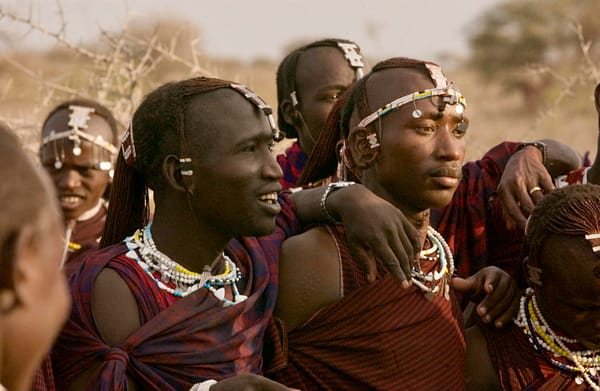
A Maasai community (Bradford Zak - Unsplash).
Tanzania is home to over 120 ethnic groups, each contributing to its vibrant cultural mosaic. The Maasai, with their distinctive attire and traditions, are among the most recognised. Alongside the Maasai, there's the coastal Swahili culture, which blends African, Arabian, and Persian influences, particularly in places like Zanzibar.
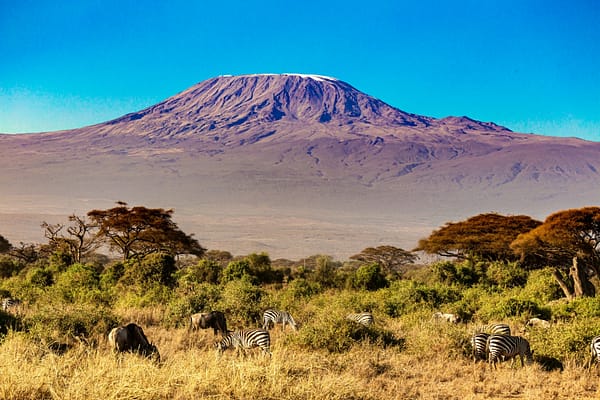
Mount Kilimanjaro, Tanzania (Stephan Bechert - Unsplash)
Whether you're seeking wildlife encounters, cultural enrichment, or simply a dreamy beach escape, Tanzania has it all. The friendly people, awe-inspiring landscapes, and thrilling activities will not only provide memories for a lifetime but will also inspire a profound connection with this incredible land. Tanzania is more than just a travel destination, it is a land of authenticity and wonder, inviting you to explore, learn, and immerse yourself in its beauty.
What to Do After Kilimanjaro: Tanzania 1 Day Itinerary
Spending just one day in Tanzania might seem challenging given the country's rich tapestry of landscapes and culture. However, with careful planning, you can craft a memorable adventure that offers a taste of what this magnificent country has to offer. This 1 day Tanzania itinerary is based primarily in Arusha, a popular base for those climbing Kilimanjaro, due to its proximity to the Kilimanjaro National Park. If you're searching for what to do after Kilimanjaro, this itinerary is perfect for you.
Morning: Discover Shanga & Giraffe Conservation
Shanga: A Tanzanian Gem of Art & Empowerment
Nestled in the heart of Arusha, Tanzania, Shanga is a hidden gem that captivates visitors with its blend of art, community empowerment, and sustainability. Founded in 2007, Shanga has transformed from a small recycling initiative into a thriving social enterprise that employs people with disabilities to create unique, eco-friendly art pieces and jewellery. The initiative centres around the recycling of glass, aluminium, and other materials to craft beautiful handmade products. Each piece tells a story of inclusion, creativity, and sustainability.

Shanga, Tanzania.
Embark on a guided tour of Shanga's charming open-air workshops, where you can witness artisans at work. Learn about the intricate processes of glassblowing, weaving, and bead-making as the talented artists transform recycled materials into exquisite art pieces. The tour provides insight into the dedication and craftsmanship that goes into each product. Feeling inspired? Consider joining one of Shanga's interactive workshops. Whether it's learning glassblowing, bead-making, or even Swahili sign language, these workshops offer a chance to unleash your creativity while supporting an important cause. Afterwards, explore the vibrant Shanga shop, filled with an array of handcrafted items like jewellery, glassware, textiles, and home decor. Each purchase directly contributes to supporting the artisans and expanding the project's reach. It's an opportunity to take home souvenirs that not only hold aesthetic appeal but also embody a meaningful cause.
Arusha Giraffe Centre: Conservation & Adventure
Situated against the picturesque backdrop of Mount Meru, the Arusha Giraffe Centre is a must-visit destination for anyone in Tanzania looking for what to do after Kilimanjaro. Not only does it offer a chance to get up close and personal with these towering creatures, but it also provides insights into the vital conservation efforts undertaken to protect them. The Arusha Giraffe Centre was established as a sanctuary with the primary goal of conserving and increasing the population of giraffes, particularly the Maasai giraffe, in Tanzania. It was founded by Nick and Nat Harrison in 2007 as a response to growing concerns over declining giraffe populations due to habitat destruction and poaching. Over the years, it has evolved into both a conservation hub and an educational facility, aiming to raise awareness about the importance of preserving these magnificent creatures.

Giraffe (Stan Islav Lvovsky - Unsplash).
One of the highlights of your visit will undoubtedly be feeding the giraffes. Special pellets are provided and you can interact with these majestic animals as they gracefully extend their long necks to eat directly from your hands. Participate in one of the guided tours where the informative staff share fascinating facts about the giraffes and conservation efforts as you explore the acacia woodlands and witness these beautiful animals up close. Booking in advance is highly recommended. The tours tend to take around 1 hour and 20 minutes and currently, as of May 2025, cost $55 USD for adults & $27.50 USD for children aged 3-15 years. Consider also pre-booking lunch at the centre for $17 USD or wait until you're back in central Arusha.
Afternoon: Experience Culture & Markets
Arusha Cultural Heritage Centre
Following an eventful morning, it's time to head to the Arusha Cultural Heritage Centre to learn all about the diverse cultural heritage of Tanzania. If you've not yet eaten, consider taking a break at the centre's restaurant, offering a variety of traditional Tanzanian dishes. The Arusha Cultural Heritage Centre was founded with the goal of educating tourists and promoting local art, the centre serves as a hub for both showcasing contemporary art and preserving traditional artefacts. The architecture of the centre itself is a blend of modern and traditional African styles, making it an attraction in its own right.

Arusha Cultural Heritage Centre, Tanzania.
One of the highlights of the centre is its expansive art gallery. Here, you can admire an extensive collection of African art, featuring work from various regional artists. The gallery includes painting, sculptures, and other farms of artistic expression, each telling its own story. There are numerous shops with the centre that showcase a wide array of handcrafted items and jewellery. Visitors can browse beautifully crafted items, including Maasai bead-work, wooden carvings, and intricately designed jewellery. The on-site museum offers a journey through Tanzania's rich history and cultural evolution. Visitors can discover ancient artefacts, traditional clothing, and tools that provide insight into the lifestyles and traditions of different Tanzanian ethnic groups. The centre is perfect for those looking to delve deeper into Africa's diverse cultures and histories.
Exploring Arusha Maasai Market
If you have time following your exploration of the Arusha Cultural Heritage Centre, consider heading to the Arusha Maasai Market, generally open until around 6pm. This bustling market is a vibrant showcase of local culture, offering visitors a unique glimpse into the artistic and traditional heritage of the Maasai people and other local communities. The Arusha Maasai Market is a lively open-air market located in the heart of Arusha, Tanzania. Here, you can find an array of traditional Maasai jewellery, beaded sandals, handcrafted wooden sculptures, vibrant textiles, and much more. It's the perfect place to pick up souvenirs and gifts at the end of your Tanzanian adventure. Near the market, you can find vendors selling delicious Tanzanian street food. Indulge in flavoursome dishes like samosas, grilled maize, or mishkaki for an authentic taste of the region's culinary traditions.
Evening: Relaxation & Sunset Views
Conclude your day with a relaxing dinner at a restaurant in Arusha. Choose a spot that serves a blend of international and local cuisine for a delightful dining experience. As you enjoy your meal, or afterwards, revel in the stunning Tanzanian sunset, a perfect ending to a day of diverse experiences.
Where to Eat in Arusha, Tanzania?
- Khan's Barbeque - a family-run restaurant found on Mosque Street in Arusha serving delicious BBQ food and various salads. Vegetarian and gluten-free options available.
- George's Tavern - a family-run restaurant combining traditional Greek flavours with Tanzanian and international dishes. Vegetarian, vegan & gluten-free options available.
- The Blue Heron - situated around a 20-minute drive away from central Arusha, this restaurant boasts stunning views of Mount Meru & Mount Kilimanjaro from their outdoor seating area. Vegetarian, vegan & gluten-free options available.
More Tanzania Inspiration
If you have more time to spend in Tanzania and are searching for even more ideas of what to do after Kilimanjaro, check out the following list full of epic Tanzanian experiences.
The Tanzanite Experience
Nestled in the vibrant city of Arusha, the Tanzanite Experience is a must-visit for anyone fascinated by gemstones and the rich geological history of Tanzania. This unique destination offers a deep dive into the world of tanzanite, a rare and exquisite gemstone found only in the foothills of Mount Kilimanjaro. Its stunning blue-violet hue is captivating and this gem is sought after by jewellers and collectors alike. Visiting the Tanzanite Experience offers an opportunity to learn about and appreciate this gemstone's rarity and beauty. There are comprehensive guided tours that take you through the history and science of tanzanite, as well as interactive exhibits that allow you to explore the physical properties of tanzanite. Witness the transformation of raw tanzanite into beautifully crafted jewellery pieces and visit the on-site boutique selling everything from elegant necklaces and rings to custom-designed pieces.
Zanzibar
Visiting the idyllic island of Zanzibar is like stepping into a vibrant tapestry of culture, history, and breathtaking natural beauty. Zanzibar offers an exotic blend of stunning beaches, rich heritage, and a unique cultural experience that leaves visitors enchanted long after their stay. Start your journey in the heart of Zanzibar City. Stone Town, a UNESCO World Heritage site, is a labyrinth of narrow streets lined with ancient buildings, bustling markets, and cultural markets. Visit the Sultan's Palace, explore the house of wonders, and trace the island's sombre history at the Old Slave Market.

Zanzibar, Tanzania (Humphrey M - Unsplash).
Nungwi and Kendwa, located on the northern coast, boast some of the world's most beautiful beaches. Enjoy the soft, white sand and turquoise waters, perfect for sunbathing, swimming, and unwinding. Join a guided tour of Zanzibar's spice farms to learn about the cultivation of cloves, vanilla, nutmeg, and other spices. These tours provide a sensory experience, offering insights into the island's economic history. Discover Zanzibar's unique wildlife at Jozani-Chwaka Bay National Park. This lush rainforest is home to the rare red colobus monkeys, ancient trees, and a variety of bird species.
Mount Meru Waterfall (Napuru Waterfall)
Often overshadowed by its towering neighbour, Mount Kilimanjaro, Mount Meru and its waterfall provide an equally enchanting experience for nature lovers and adventure seekers alike. Embark on a guided trek through the scenic trails that take you to the Mount Meru waterfall. The walk can be challenging and might not be what immediately comes to mind when thinking about what to do after Kilimanjaro, but some guided treks only require around 1 mile of walking and the views once you're there will help make up for the effort. Whether you're an avid trekker, a nature lover, or simply seeking a peaceful escape, this enchanting waterfall promises an unforgettable experience.
Maasai Village Visit
The Maasai are a Nilotic ethnic group known for their semi-nomadic lifestyle and vibrant customs. They migrated south from the lower Nile Valley arriving in what is now central and southern Kenya and northern Tanzania between the 17th and 18th centuries. Traditionally, the Maasai have subsisted on cattle rearing, with cattle playing a central role in their society both economically and culturally. Despite the pressures of modernisation and global influences, many Maasai people strive to preserve their cultural identity. Stories passed down through generations highlight their deep connection to the land and echo their nomadic traditions and warrior ethos.

Maasai Welcome Dance (Ramon Sanchez Orense - Unsplash)
Visiting a Maasai village offers an authentic cultural experience and provides you with the opportunity to experience firsthand the everyday life of the Maasai people. Gain insights into their resilient history and how they've adapted over time while maintaining their customs. By visiting, you contribute economically to these communities and broaden your horizons on sustainable living and unity with nature. The Maasai are known for their distinctive dances, especially the "adumu" or jumping dance performed by warriors. Joining in on these dances is an exhilarating experience, allowing you to connect deeper with the community. A Maasai village visit is an enlightening experience that you'll cherish forever.
Safari Experiences
Tanzania hosts some of the most iconic safari destinations that promise remarkable encounters with nature. From the lush landscapes of Arusha National Park to the expansive plains of the Serengeti, Tanzania offers a breathtaking collection of ecosystems that teem with biodiversity. Arusha National Park may be one of Tanzania's smallest parks, but it's big on diversity. Home to Mount Meru, this parks offers travellers a unique opportunity to explore diverse terrains such as grasslands, montane forests, and swamps, all within a single day. Revered as one of Africa's natural wonders, the Ngorongoro Crater is a breathtaking natural caldera teeming with a unique mix of wildlife, including the Big Five.

Lions wandering in the Serengeti (Hu Chen - Unsplash).
Lake Manyara National Park provides a microcosm of Tanzanian wildlife with its diverse ecosystems ranging from the Rift Valley soda lake to dense woodlands and open grassland. Spot unusual tree-climbing lions lounging in acacia trees, a behaviour rare in other areas, and enjoy birdwatching by the lake. Serengeti National Park is perhaps Tanzania's most famous wildlife destination, known for its sweeping vistas and unparalleled wildlife spectacles, such as the Great Migration, where millions of wildebeests journey across the plains. Tarangire National Park, on the other hand, is known for its elephant migration and dense concentrations of wildlife. It's an excellent choice for those seeking encounters with large herds of elephants.
To Summarise
By following this concise itinerary, you'll experience a snapshot of Tanzania's incredible natural beauty and cultural richness. This day captures the essence of what makes Tanzania a must-visit destination, leaving you with unforgettable memories and a yearning to return. If you're looking for what to do after Kilimanjaro and don't have a lot of time, this Tanzania 1 day itinerary is perfect for you.

The Serengeti (Hu Chen - Unsplash).
If you're in the middle of planning a climb up Mount Kilimanjaro or simply interested in the idea, check out the Explore by Nature epic guide to climbing Kilimanjaro.
Like this Post? Pin it!


0 comments