
Setting out to explore France in a campervan promises an adventure filled with historical wonders, vibrant culture, mesmerising landscapes, and diverse wildlife. Each corner of this fascinating country tells its own story, all accessible with the freedom that a campervan provides.
Read on to discover the very best of France in only 3 weeks, including why you should visit France and what you need in order to drive around France in a campervan.
About France
France, a country renowned for its romantic charm and diverse landscapes, offers a rich tapestry of history, vibrant culture, and breathtaking natural beauty. From the Celtic roots of the Gauls to Roman conquests, France's history is a captivating tale of transformation. The medieval period saw the rise of powerful dynasties like the Capetians and the construction of iconic structures such as Notre-Dame and Mont Saint-Michel. The French Revolution of 1789 was a pivotal time that reshaped France and influenced global ideologies of liberty and equality. Modern France continues to evolve as a leader in art, fashion, technology, and international diplomacy. Landmarks like the Eiffel Tower and institutions such as the Louvre Museum stand as testaments to its blend of tradition and modernity.
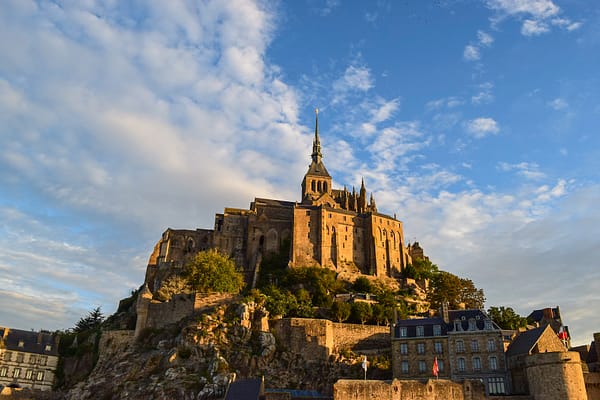
Mont Saint-Michel, France.
France's topography is as diverse as its culture, featuring everything from the sun-drenched beaches of the south of France to the snow-capped peaks of the Alps. The sprawling vineyards of Bordeaux and lavender fields of Provence paint a picturesque landscape that shifts with the seasons. France is home to a variety of national parks and reserves where nature enthusiasts can witness pristine wilderness. The Pyrenees National Park is a haven for wildlife, sheltering species such as European bears, chamois, and golden eagles, whereas the Camargue region is renowned for its flamingos, Camargue horses, and unique wetlands.
Why You Should Visit France in a Campervan
Travelling France in a campervan gives you the freedom to explore this beautiful country at your own pace. Make spontaneous stops and stay as long as you want in a place that captures your heart without being tied to hotel check-in times. Accommodation and dining can take a big chunk out of your travel budget. With a campervan, you can save on hotel costs and prepare your own meals, especially useful in a country where dining out can be pricey. Scattering between paid campsites and free overnight parking will help keep costs low.
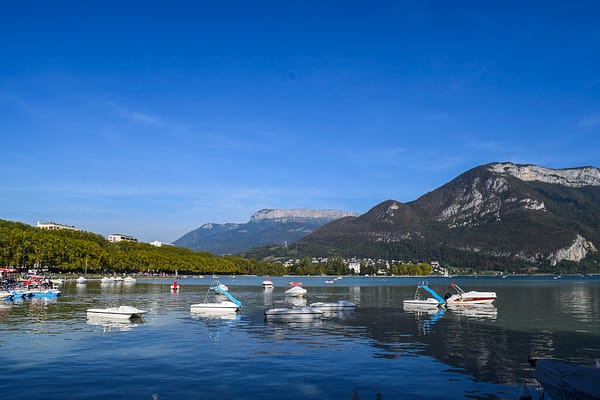
Annecy Lake, France.
France's varied landscapes are perfect for a road trip. Exploring France in a campervan allows you to connect more deeply with nature. Wake up to serene landscapes, stay in campsites near vineyards, beaches, or mountains, and fall asleep in the tranquillity of the countryside. You'll experience France's natural beauty in its purest form. Some of France's most enchanting spots are off the beaten path and inaccessible by public transport. With a campervan, you can venture into small villages, hidden beaches, and remote trails that most tourists never reach, enjoying a more authentic travel experience.

Grey Heron at Parc Ornithologique du Pont de Gau, France.
Embarking on a journey through France in a campervan, exploring coastal and mountainous regions, promises a diverse and enriching experience. Whether you're drawn to the chic glamour of the Riviera or the rugged beauty of the Pyrenees, France offers something special for everyone looking to create lasting memories.
How to Organise a Trip to France in a Campervan
Exploring France in a campervan is an exciting and enriching way to see the country. The freedom to roam from vineyard-draped hillsides to sun-soaked rivieras at your own pace makes it a dreamy adventure. To ensure a smooth journey, preparation is key.
Choosing the Right Campervan or Preparing Your Own
First things first, if you don't own your own campervan, you'll need to hire one that suits your travel needs. Consider factors like the size (based on the number of travellers), budget, and amenities required. Review the rental terms, insurance coverage, and check for included essentials like bedding, kitchenware, and navigation devices. While a smaller campervan is easier to manoeuvre through narrow village streets or winding mountain roads, a larger one offers more comfort and storage space for a long-term trip.

Phoebe the campervan on the mountain roads in France.
If you're taking your own campervan to France, you'll need to ensure your MOT is not due while you're away and that it is road-worthy. Consider getting a vehicle health check prior to leaving or book a service earlier if it's due relatively soon. Ensure your vehicle insurance covers EU travel and, if not, inquire about upgrading your insurance or consider booking additional EU cover elsewhere. To travel legally in France, you'll need a valid driver's license, passport/national ID, campervan insurance and V5, and apply for the Crit'Air anti-pollution vehicle sticker to prevent any issues in low emission zones. This sticker costs less than £5 and can be purchased here! Ensure you apply in advance, it can take a few weeks to arrive. However, if it doesn't show or you don't have the time, you will receive an email confirmation that can be used in lieu of a sticker.
Plan Your Route but Stay Flexible
While spontaneity is part of the charm of travelling by campervan, it's helpful to have a rough itinerary and to share this with someone back home, whether it be family or a friend. While I recommend the below France 3 week road trip itinerary that was created with lots of research and personal experience, you can also look up your own must-see destinations and scenic spots to create your own personalised route. Be flexible in your planning to allow for unexpected discoveries or adjustments needed. I had to add an extra day in France to my most recent road trip as I became ill on the drive down to Spain.
Prepare for Connectivity and Navigation
Download maps and useful travel apps, including offline GPS tools, ahead of your trip, as some rural areas might have limited internet access. Staying connected with a local SIM card can also be advantageous for cheaper data usage. I recommend the Holafly and Sim Local eSIM apps for purchasing local eSIMs. There are some great affordable options, including unlimited or >100GB data plans for those relying on data as their main internet source, like I do. Whether you only want to purchase an eSIM for a day or two, or 30, I've found these two apps to be the best.
Emergencies and Assistance
Keep a list of emergency contacts, including your EU breakdown cover contact and local emergency services. Having a basic understanding of French can also be helpful in navigating emergencies efficiently. Thankfully, I've yet to encounter an emergency abroad in my campervan as my foreign language skills leave little to be desired. If you have a tracker in your campervan or motorhome, share this information with a family member or friend as a back-up should an incident occur while you're away. Furthermore, if you have an itinerary written out, share these details with someone. Just don't forget to mention that sometimes plans change!
France in a Campervan: 3 Week Itinerary
Day 1: Boulogne-sur-Mer
Travel time: 1 hour (LeShuttle Calais Terminal to Boulogne-sur-Mer)
On the northern coast of France, not too far from the LeShuttle Calais terminal, you'll find Boulogne-sur-Mer, the first stop on this 3 week France road trip. This charming seaside town beautifully blends historical charm with modern attractions. Whether you're engaging with marine life at Nausicaá or soaking in the sun on its beautiful beaches, Boulogne-sur-Mer is a hidden gem that invites exploration. Its rich history, vibrant culture, and stunning landscapes ensure every visitor leaves with cherished memories.
Things to Do in Boulogne-sur-Mer:
Start your journey at Nausicaá, the largest public aquarium in Europe. This stunning marine centre is home to thousands of sea creatures and offers interactive exhibits that highlight the importance of ocean conservation. Don't miss the massive shark tank and the mesmerising coral reef displays. Tickets are €30 for adults, and €23 for children (3-12) during the off-season.

Sea lion at Nausicaá, France.
If you have time after exploring Nausicaá, consider visiting the Basilica of Notre-Dame de Boulogne, a 19th-century basilica. With its grand dome and beautiful interior, this basilica offers a peaceful retreat and a glimpse into the town's religious heritage. Inside, admire the exquisite stained glass windows and the impressive crypt, the largest archaeological crypt in Europe. If the weather is treating you well, consider visiting the sandy shores of Boulogne-sur-Mer to sunbathe, swim, or simply walk along the coast.
Day 2-3: Étretat
Travel time: 3 hours (Boulogne-sur-Mer to Étretat)
Nestled on the picturesque Alabaster Coast in the Normandy region, Étretat is a captivating seaside destination that has inspired artists and travellers alike. The majestic cliffs of Étretat are undoubtedly its most iconic feature. Geological wonders such as the famous arches of Porte d'Aval and the needle-like Aiguille, have served as muses for artists like Claude Monet and Gustave Courbet, who captured their ethereal beauty in their paintings.
Things to Do in Étretat:
Exploring the Étretat cliffs is a must. The clifftop trails provide a stunning vantage point to admire the sweeping views of the English Channel and the picturesque coastline. Stroll along the cliffs and visit the famous Falaise d'Aval, with its notable arch and spike known as the "Needle". Whether you're an avid hiker or a casual walker, the trails cater to all levels of fitness and promise an unforgettable experience. For a different perspective, consider renting a kayak to view the cliffs from the sea. Beyond the well-trodden paths along the cliffs, venture on lesser-known trails that weave through the lush countryside, offering peace and solace away from the crowds.

Cliffs of Étretat, France.
The Gardens of Étretat offer a modern touch to the town's natural landscape. This remarkable garden is a fusion of avant-garde sculpture and meticulously curated foliage. Wander through its various sections, each with its own unique artistic theme, and enjoy panoramic views of the cliffs and surrounding scenery. Step back in time by visiting the Old Market Hall in the heart of Étretat. This historic wooden market was once the hub for local trade and is now home to artisan shops and local crafts. It's an excellent stop for picking up unique Normandy souvenirs.
Day 4-5: Mont Saint-Michel
Travel time: 3 hours (Étretat to Mont Saint-Michel)
On the rocky tidal island where Normandy meets Brittany, Mont Saint-Michel is a spectacular vision that seems pulled from the pages of a storybook. Exploring this iconic UNESCO World Heritage Site is a must when travelling through France in a campervan. Mont Saint-Michel rises majestically from the horizon, surrounded by vast sandbanks and, at times, powerful tides. The centrepiece is the Abbey of Mont Saint-Michel, a marvel of medieval architecture that dates back to the 8th century.
Things to Do at Mont Saint-Michel:
Step back in time as you wander the narrow, winding streets of Mont Saint-Michel. The streets are lined with charming old buildings that house shops, cafés, and museums. As you navigate the steep, cobbled lanes, you'll feel transported to another era. Be sure to visit the main street, known as La Grande Rue, which is the heart of this medieval village. From the ramparts of Mont Saint-Michel, take in the stunning views of the surrounding bay and tidal flats. Depending on the time of day and tides, the landscape can change dramatically, from vast expanses of mudflats to a glittering sea around the island. Consult a tide timetable to ensure your visit coincides with this natural wonder.

Collared Dove at Mont Saint-Michel, France.
The crown jewel of Mont Saint-Michel is undoubtedly its abbey. With its towering spire and intricate design, the abbey draws your eyes and imagination alike. This architectural masterpiece combines Gothic and Romanesque styles and offers breathtaking views over the bay. Take a guided tour to learn about its fascinating history as a place of pilgrimage and its strategic importance throughout the centuries. It's recommended to book tickets in advance, especially during the peak tourist season. Visit the Musée Historique to explore well-preserved artefacts and exhibits detailing life on the island through the ages. The Logis Tiphaine, a house once belonging to a medieval knight, offers intriguing displays of period furniture, giving a glimpse into 14th-century life.
Day 6: Limoges
Travel time: 6 hours (Mont Saint-Michel to Limoges)
Limoges is a charming city renowned for its rich history, artistic heritage, and scenic beauty. Travelling France in a campervan offers the perfect opportunity to explore Limoges at your own pace and on a budget. This longer drive to reach Limoges brings you halfway to the south of France, where the remainder of this travel itinerary takes place.
Things to Do in Limoges:
Limoges is synonymous with high-quality porcelain, known worldwide for its craftsmanship and elegance. Start your journey by visiting the Musée National Adrien Dubouché, which houses an extensive collection of porcelain pieces, both traditional and contemporary. A tour through this museum provides insights into the history and techniques that have made Limoges porcelain so famous. The city's streets are lined with medieval and Renaissance architecture that speaks to its rich past. The Cathédrale Saint-Étienne is a Gothic masterpiece that draws visitors with its stunning stained-glass windows and intricately carved stone details. Nearby, wander through the Quartier de la Cité, the historic centre of Limoges, where charming streets are dotted with half-timbered houses and quaint shops.

Limoges, France.
No trip to Limoges is complete without indulging in local gastronomy. The city's markets, such as the Les Halles Centrales, offer fresh regional produce, charcuterie, and cheeses, ideal for stocking up your campervan with French delicacies. Be sure to sample local specialities like clafoutis, a delicious baked fruit dessert, and the Limousin apple cake. Limoges makes an excellent base for exploring charming nearby villages, each offering its own unique experiences. Saint-Léonard-de-Noblat and Mortemart captivate visitors with picturesque streets and historic architecture.
Day 7-8: Cauterets, the Pyrenees
Travel time: 5.5 hours (Limoges to Cauterets)
Nestled in the heart of the Pyrenees, Cauterets is a charming town that promises a delightful blend of natural beauty, outdoor adventure and rich cultural experiences. Cauterets serves as an ideal base to explore the Pyrenees National Park, a paradise of rugged peaks, lush valleys, and cascading waterfalls. A visit here is a chance to connect with nature in one of Europe's most pristine environments.
Things to Do in Cauterets, the Pyrenees:
Cauterets has been famed for its thermal baths since the Roman Era. The Bains du Rocher spa is a modern facility that offers a range of treatments using the area's natural spring waters. Relax in the warm pools and enjoy the therapeutic benefits of the mineral-rich waters. Take a leisurely stroll through the village, where quaint streets are lined with traditional architecture and charming boutiques. The fresh mountain air and hospitable atmosphere make this a perfect setting for unwinding.

Pont d'Espagne, France.
In the winter months, Cauterets transforms into a ski resort offering excellent slopes for both beginners and seasoned skiers. The Cirque du Lys ski area boasts a variety of runs, modern facilities, and stunning panoramic views. Cauterets offers a plethora of hiking opportunities for all levels. With its crystal-clear lakes, tumbling waterfalls, and verdant forests, this region promises an unparalleled escape into nature. See below for a more detailed guide to two incredible hikes in the area.
Pont d'Espagne & Lac de Gaube
Download the All Trails GPX route from La Ralliére to Pont d'Espagne here & the route from Pont d'Espagne to Lac de Gaube here!
The most iconic hike is to Pont d'Espagne and Lac de Gaube, a 13-14 mile (~22km) hike from Cauterets and back. This route is expected to take around 5-7 hours. Begin the hike in the beautiful mountain village of Cauterets and follow the road to reach La Ralliére, where you'll reach the beginning of the official hiking trails. If you'd prefer to drive this section, there is a car park at the start of the hiking trails you can use. You'll follow the river, which will stay on your left, and ascend through the lush forests and pass stunning waterfalls.

Near Pont d'Espagne, France.
At the end of the trail, you'll reach the picturesque Pont d'Espagne, a dramatic stone bridge set amidst thundering waterfalls and lush alpine meadows. As one of the most iconic landscapes in the Pyrenees National Park, this spot offers breathtaking views and a great place to rest and have lunch. There's also a café at the Hotellerie du pont d´Espagne. From Pont d'Espagne, a well-marked trail leads you to the stunning Lac de Gaube. This part of the route winds through fragrant pine forests and verdant trails, with several scenic points along the way.

Lac de Gaube, France.
When you arrive at Lac de Gaube, the brilliant blue waters surrounded by towering peaks create a postcard-perfect vista. At the lake, take a moment to rest and soak in the mesmerising scenery. At Lac de Gaube, you can purchase food and drinks from Refuge des Oulettes de Gaube. If you're feeling more adventurous, explore additional trails around the lake that lead deeper into the mountains.
Chemin des Pères and Chemin Demontzey
Download the All Trails GPX route here!
For those looking for shorter hikes with rewarding views, the Chemin des Pères and Chemin Demontzey trail offers a stunning alternative. This circular route is around 3.5 miles (5.8km) and is expected to take approximately 2-3 hours.
Day 9-11: Saintes-Maries-de-la-Mer, Camargue
Travel time: 5.5 hours (Cauterets to Saintes-Maries-de-la-Mer)
Saintes-Maries-de-lar-Mer is a unique destination in Camargue National Park known for its rich cultural heritage, natural beauty, and diverse wildlife. This region was one of my favourite places to visit when exploring France in a campervan, with pink flamingos and iconic white Camargue horses around every corner.
Things to Do in Saintes-Maries-de-la-Mer, Camargue National Park
Camargue National Park is a remarkable natural reserve teeming with diverse wildlife, including Camargue horses, black bulls, and pink flamingos. Set off on a guided jeep tour or horseback riding adventure through the expansive wetlands and salt flats to witness these majestic creatures in their natural habitat. I'd personally recommend Promenade à cheval Chez Elise. After much research, this seemed to be a reputable yard that looked after their horses well. I didn't witness anything that would suggest otherwise while there. Pierrot, a beautiful Camargue horse at Promenade à cheval Chez Elise, was a wonderful horse to explore the natural park with.

Me & Pierrot exploring Camargue National Park, France.
For bird enthusiasts, the Parc Ornithologique du Pont de Gau offers a fantastic opportunity to view a variety of bird species up close. Wander along the trails, relax in the observation points, and capture stunning photographs of flamingos and other native birds, such as herons, egrets, and European bee-eaters, against the backdrop of the pristine wetlands. Remember to bring your binoculars for a closer look at these magnificent creatures in their natural habitats.

Flamingo at Parc Ornithologique du Pont de Gau, France.
A visit to the town's famous church, Notre-Dame-de-la-Mer, is a must. This striking fortress-like basilica holds significant religious importance, especially during the annual Romani pilgrimage in May. Climb to the rooftop terrace for panoramic views over the town and surrounding landscape. Unwind along the beautiful beaches of Saintes-Maries-de-la-Mer. Whether sunbathing, swimming, or taking leisurely strolls along the shore, the town's sandy beaches are perfect for relaxation and family-friendly activities.
Day 12: Salin-de-Giraud
Travel time: 1 hour (Saintes-Maries-de-la-Mer to Salin-de-Giraud)
Salin-de-Giraud was established in the late 19th century when salt production began to flourish in the region. As you wander through the village, the echoes of its industrial past are evident in the architecture and layout. The village's history is intricately tied to the Compagnie des Salins due Midi, a key player in the salt industry. Salin-de-Giraud captivates visitors with its unique mix of industrial history, stunning natural landscapes, and expansive beaches. As you journey through the south of France in a campervan, let Salin-de-Giraud enchant you with its serene beauty and welcoming community.
Things to Do in Salin-de-Giraud:
One of the most striking features of Salin-de-Giraud is its expansive salt flats, an iconic sight that attracts nature lovers and photographers alike. These salt flats, known as "Salins", create an otherworldly landscape marked by vibrant shades of pink and purple, the result of microscopic algae and high salinity. Guided tours of the salt flats are also available, offering insights into salt harvesting and the unique ecosystem that thrives here. Deepen your understanding of the region's historical ties to salt production by visiting the Musée du Sel. This small but intriguing museum provides insights into the salt industry's significance and impact on Salin-de-Giraud and its inhabitants. You'll find fascinating exhibits, historical photographs, and artefacts that tell the story of the village's evolution alongside its salt production.

Salt flats of Salin-de-Giraud, France.
Just down the road from the village is the beach, Plage de Piémanson. This expansive, wild beach offers the perfect spot for sunbathing, swimming, or picnicking away from the crowds. The beach remains largely undeveloped, preserving its natural beauty and creating a peaceful atmosphere ideal for unwinding. There's a large carpark suitable for all vehicles right by the beach, so it's a super convenient spot for campervans and larger vechicles.
Day 13: Lac de Sainte-Croix
Travel time: 3.5 hours (Salin-de-Giraud to Lac de Sainte-Croix)
Spanning over 22 km², Lac de Sainte-Croix is an artificial lake created in 1973 following the construction of a dam on the Verdon River. It's the third largest lake in France and boasts a captivating scenery that has been drawing nature lovers and outdoor enthusiasts for decades. With its shimmering blue water contrasting against a backdrop of rolling hills and dramatic cliffs, the lake is a visual masterpiece. This makes for a great little spot to spend the day before continuing the road trip to the French Riviera.
Things to Do at Lac de Sainte-Croix:
For those looking to enjoy the water, Lac de Sainte-Croix offers a variety of activities. Kayaking, paddleboarding, and sailing are popular options for exploring the lake's calm waters. If you're in the mood for a swim, the designated beaches provide safe and picturesque spots to frolic in the refreshing water.

Lac de Sainte-Croix, France.
If you have the time, it's certainly worth visiting the nearby Gorges du Verdon. Often referred to as Europe's Grand Canyon, the gorge stretches over 25km and is one of the most beautiful river canyons in the world.
Day 14-16: Cannes & Nice
Travel time: 2 hours (Lac de Sainte-Croix to Cannes)
Nestled in the heart of the French Riviera, Cannes is a city synonymous with glamour and celebrity allure, famous for its international film festival. Travelling to Cannes in a campervan offers a unique way to experience its beauty, beyond the red carpet and glitzy events. If, like me, you find a safe base for your campervan while in Cannes, the easiest way to visit Nice would be by train. I paid for a small AirBnB which provided private parking as I was a little nervous about break-ins if I left it on a street for 3 days. There were very few spaces in this car park that would fit my Peugeot Boxer, but luckily I managed to snag one.
Things to Do in Cannes:
The Promenade de la Croisette is the heart of the Cannes' allure. This famous boulevard, lined with palm trees, luxury boutiques, and opulent hotels like the Carlton and the Martinez, offers a spectacular view of the Mediterranean Sea. Stop by the Palais des Festivals et des Congrès, home to the world-famous Cannes Film Festival. While there, don't miss the “Chemin des Étoiles,” Cannes’ version of the Hollywood Walk of Fame, featuring handprints of famed film stars. Venture into Le Suquet, the charming old quarter of Cannes, perched atop a hill, and visit the beautiful Gothic church, Notre-Dame de l'Espérance.

Cannes, France.
Cannes boasts some of the most beautiful beaches on the Riviera where you can relax and soak up the sun. Plage du Midi de la Bocca offers lovely stretches of sand, clear waters, and amenities for a perfect day at the beach. For a more exclusive experience, indulge in one of the many private beach clubs dotted along the Croisette. Just a short boat ride from Cannes lies the Lérins Islands, a serene escape from the bustling city. Île Sainte-Marguerite is renowned for the Fort Royal, where the Man in the Iron Mask was imprisoned, while Île Saint-Honorat is home to a peaceful monastery.

Summit of Croix des Gardes, Cannes.
Within walking distance from the bustling centre of Cannes, you can find the verdant hill of Croix des Gardes. Spanning over 80 hectares, this national park offers a peaceful retreat adorned with native trees, such as palm and pine, and a variety of Mediterranean flora. This park is well-equipped with several paths suited for different levels of hikers. From gentle strolls on flat terrain to more challenging routes with steeper inclines, Croix des Gardes caters to all.
Things to Do in Nice:
Cannes can be the perfect base for exploring the parts of the French Riviera that are a little less accommodating towards campervans and motorhomes. An easy way to reach Nice is by train, which will take less than 30 minutes. Begin your journey in Nice with a leisurely stroll along the famous Promenade des Anglais. This scenic boulevard stretches for around 7km along the azure coastline, offering stunning views of the Baie des Anges. Step back in time as you wander through the narrow streets of Old Town. With its Baroque architecture, colourful facades, and lively atmosphere, Vieux Nice is a delight to explore. Visit the Cathedral of Sainte-Réparate, browse the artisan shops, and be sure to stop y Cours Saleya, a bustling market that offers a vibrant array of flowers, fresh produce, and local specialities.

Nice, France.
For panoramic views of Nice, head to Castle Hill. While there is no longer a castle at the top, the lookout points provide breathtaking vistas of the city and Mediterranean Sea. Enjoy the lush greenery, explore the ruins and waterfall, and capture stunning photographs of the landscape. You can either hike up the hill or take the convenient elevator. The pebbly beaches of Nice offer a perfect spot to relax and unwind. Plage Beau Rivage and Plage Opera are popular choices for sunbathing and swimming. If you prefer a more upscale experience, consider visiting one of the private beach clubs along the Promenade, where you can rent a sun lounger and enjoy beachside service.
Day 17-18: Monaco
Travel time: 1 hour (Cannes to Monaco)
Discovering Monaco, often perceived as a playground for the elite, might not immediately conjure images of campervan travel. Yet, exploring this small and glamorous country and its surroundings by campervan offers a unique perspective and a chance to merge luxury with adventure.
Things to Do in Monaco:
No trip to Monaco is complete without a visit to the iconic Casino de Monte-Carlo. This architectural masterpiece, designed by Charles Garnier, beckons both serious gamblers and curious tourists alike. Even if gambling isn't your forte, the sumptuous Belle Époque interiors are a feast for the eyes. Remember to adhere to the dress code, smart attire is required. Alternatively, simply walk around the grounds and admire the exterior architecture and gardens of this iconic building. For a serene escape from the city, visit Jardin Exotique de Monaco, a unique garden perched on a cliff. Here, you'll find an impressive collection of succulents and cacti from around the world, thriving in Monaco's Mediterranean climate. As you wander along the paths, enjoy breathtaking views over the city and the azure sea beyond.

Monte-Carlo, Monaco.
The Prince's Palace, home to the ruling Grimaldi family since the 13th century, is a must-see. Witness the grandeur of its state apartments, adorned with frescoes, period furniture, and opulent chandeliers. Time your visit to catch the daily Changing of the Guard ceremony at 11:55. For those seeking sun and sea Larvotto Beach provides an ideal locale to unwind. Monaco's principal public beach offers soft sands, crystal-clear waters, and a promenade lined with cafés and restaurants. Whether you swim, sunbathe, or simply take in the vibrant atmosphere, it's a fantastic way to enjoy a leisurely afternoon.
Day 19-21: Annecy
Travel time: 6 hours (Monaco to Annecy)
Nestled in the heart of the French alps, Annecy is a breathtaking destination often referred to as the "Venice of the Alps" due to its charming canals and stunning mountain backdrop. Following the time spent in Annecy, if you're heading back to Calais for the LeShuttle to the UK, the drive will take approximately 8 hours without breaks.
Things to Do in Annecy:
Begin your journey with a stroll through Annecy's historical old town (Vieille Ville), characterised by its cobblestone streets, pastel-coloured buildings, and charming canals. Don't miss the Palais de l'Isle, a 12th-century château sitting in the middle of the Thiou canal, which now houses a local history museum. The star attraction of Annecy is Lake Annecy, often touted as Europe's cleanest lake. Explore the crystal-clear waters by renting a paddleboat, wild swimming, or simply relax on its pristine shores. The scenic cycle path around the lake offers a perfect opportunity for cyclists to take in the panoramic views.

Annecy, France.
Annecy is a haven for outdoor enthusiasts. The surrounding Alps provide numerous hiking trails suitable for all levels. For breathtaking views, take on the climb to La Tournette, the highest peak overlooking the lake. For those seeking a thrill, paragliding is a popular activity in Annecy. Experience the rush as you soar over the lake and valleys below, witnessing the majestic beauty of the region from a bird's eye view. Next to Lake Annecy you'll find the Jardins de l'Europe, a peaceful park perfect for a relaxing afternoon. Take a stroll under the shade of century-old trees, admire the colourful flowerbeds, or enjoy a picnic with picturesque views of the lake and mountains. Don't forget to walk along Pont des Amours, an iconic iron bridge connecting the Jardins de l'Europe to the Pâquier esplanade. Legend has it that couples who kiss on the bridge will stay together forever.
To Summarise
Exploring France in a campervan opens up a world of adventure and discovery, from its rich lineage to its awe-inspiring natural beauty. With the freedom to roam at your own pace, every mile offers a story, a flavour, and a memory to treasure. Embrace the journey and immerse yourself in the heart of French culture and landscapes with this fantastic 3 week France road trip itinerary.

Lac de Sainte-Croix, France.
If you're interested in exploring more of Europe in a campervan, check out these road trip itineraries for Ireland & Northern Ireland, Wales & Scotland!
Like this Post? Pin it!


0 comments